
CARRIG & research
Carrig has extensive experience in conducting comprehensive research on built and archaeological heritage. We cooperate with international organisations, governmental departments and local authorities to carry out research on critical heritage related matters, aiming at setting up achievable goals and giving practical recommendations to preserve our non-renewable heritage assets for the enjoyment of current and future generations.
Skellig michael Climate Vulnerability Assessment
On Nov 9th and 10th 2023, Carrig will be facilitating a technical workshop for the Climate Change Vulnerability Assessment for Skellig Michael. This video is for invited stakeholders as pre-workshop background information.
Heritage Counts Launch 2021
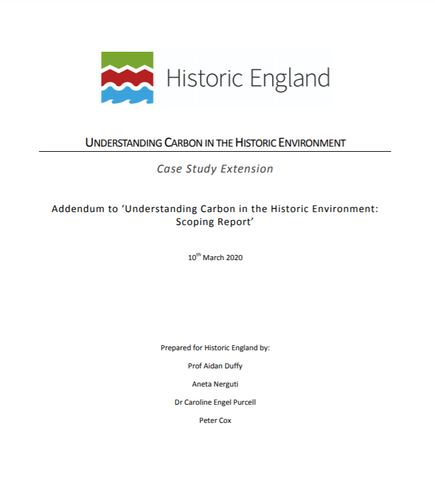
In 2020, Carrig completed an extension report on Understanding Carbon in the Historic Report, looking at three more case studies. This study compared the embodied and operational carbon emissions of three domestic refurbishments under three different levels of low-emissions intervention scenarios: ‘Base-case’ (do nothing); ‘Refurbishment’ (improve the performance of the existing building); and ‘New-build’ (demolish and rebuild the existing building to meet current building standards)
The report has been published as part of the Heritage Counts 2020 - Know Your Home, Know Your Carbon: Reducing Carbon Emissions in Traditional Homes. The report, alongside our Research Report, was published at the launch event on March 25th, 2021.
The report has been published as part of the Heritage Counts 2020 - Know Your Home, Know Your Carbon: Reducing Carbon Emissions in Traditional Homes. The report, alongside our Research Report, was published at the launch event on March 25th, 2021.

| understanding_carbon_in_the_historic_environment__case_study_extension.pdf |
RESEARCH PROJECT:
Climate Change Adaptation Sectoral Plan for Built and Archaeological Heritage
Carrig Conservation, along with a specially compiled team of experts, have been appointed via public tender by the Department of Culture, Heritage and the Gaeltacht in October 2018 to develop the first Climate Change Adaptation Sectoral Plan for Built and Archaeological Heritage (CCASP) in Ireland.
The CCASP incorporates research to support a detailed understanding of sectoral vulnerability to climate change through the identification of current and predicted climate and weather-related impacts. A more detailed analysis of the climate change impacts to the sector will be illustrated through case studies using localised data and projections. A series of short- and long-term adaptation actions will be proposed along with a process for monitoring the sector’s progress in meeting the defined goals and objectives set forth by the Plan.
To ensure the broadest engagement on the development and implementation of the CCASP and to maximise the potential for constructive input, two Stakeholder Workshops were held in Galway and Dublin in January 2019 to allow representatives from the government, local authorities, local heritage and conservation offices, climate action regional offices, universities and NGOs, conservation professionals, and representative bodies to share their opinions and experiences.
The CCASP incorporates research to support a detailed understanding of sectoral vulnerability to climate change through the identification of current and predicted climate and weather-related impacts. A more detailed analysis of the climate change impacts to the sector will be illustrated through case studies using localised data and projections. A series of short- and long-term adaptation actions will be proposed along with a process for monitoring the sector’s progress in meeting the defined goals and objectives set forth by the Plan.
To ensure the broadest engagement on the development and implementation of the CCASP and to maximise the potential for constructive input, two Stakeholder Workshops were held in Galway and Dublin in January 2019 to allow representatives from the government, local authorities, local heritage and conservation offices, climate action regional offices, universities and NGOs, conservation professionals, and representative bodies to share their opinions and experiences.
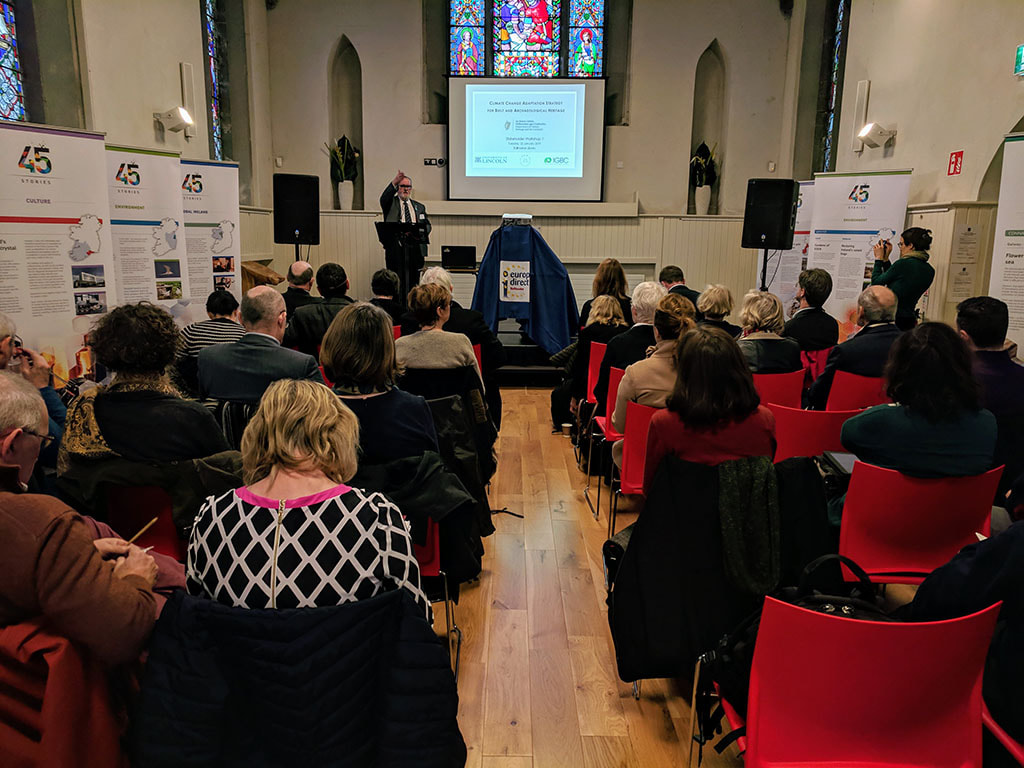
Peter Cox, Managing Director of Carrig Conservation International giving the opening speech at the CCASP Stakeholder Workshop held in Ballinasloe, Galway.
|
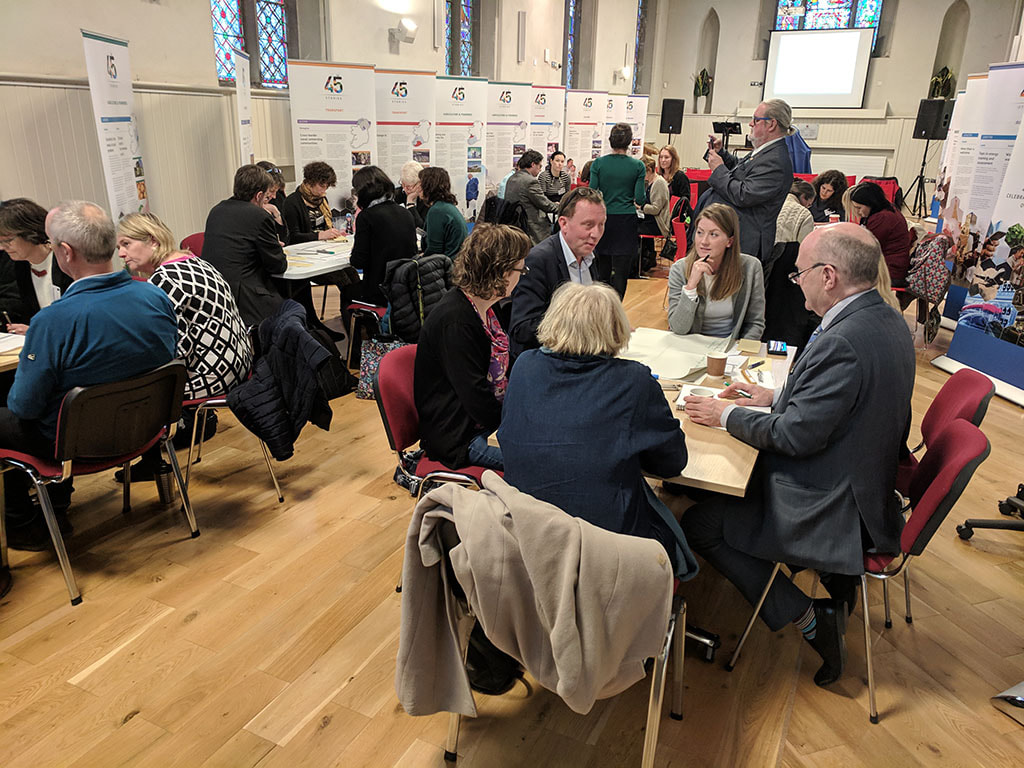
Group discussions at the CCASP Stakeholder Workshop in Ballinasloe, Galway.
|
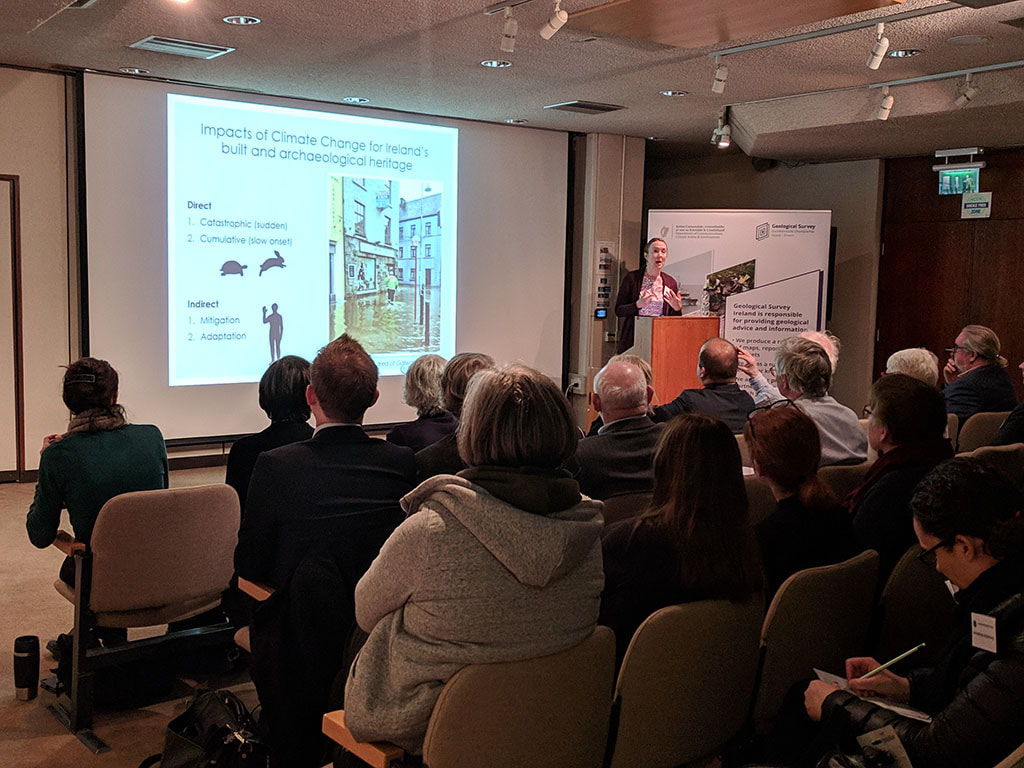
Dr. Cathy Daly from the University of Lincoln presenting the impacts of climate change on built and archaeological heritage in Ireland at the CCASP Stakeholder Workshop in Dublin.
|
RESEARCH PROJECT:
Understanding Carbon in the historic environment
|
Historic England commissioned Carrig Conservation to work on the project entitled “Understanding Carbon in the Historic Environment” in 2019.
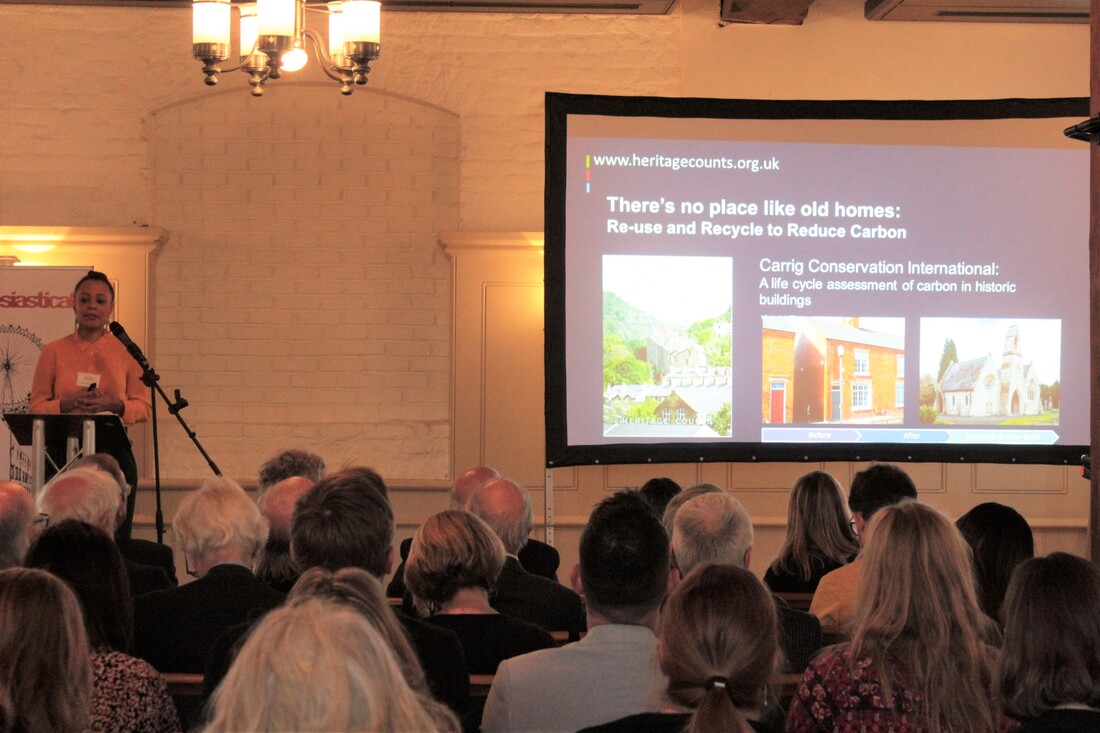
This project looked at embodied carbon in existing and new buildings and generate a comparative life cycle analysis that estimates carbon emissions avoided when they are renovated for improved energy efficiency rather than demolished and rebuilt. We also compared the cost of renovation to the cost of new build relative to carbon savings and made recommendations on where policy and practice needs to change in order to ensure that the carbon footprint of buildings are reduced. The final report came out on February 26th and is available here. Carrig is currently working on an extension of this project, adding three extra case studies to the report. This will be published in the next month. |
|
|
|
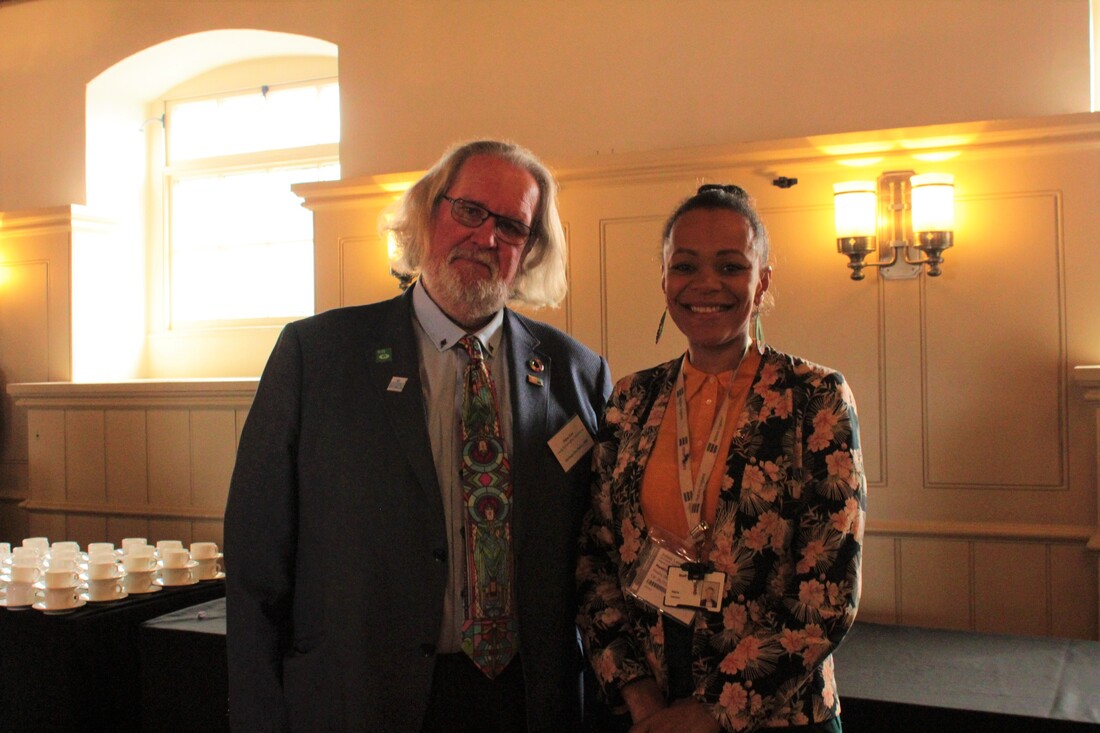
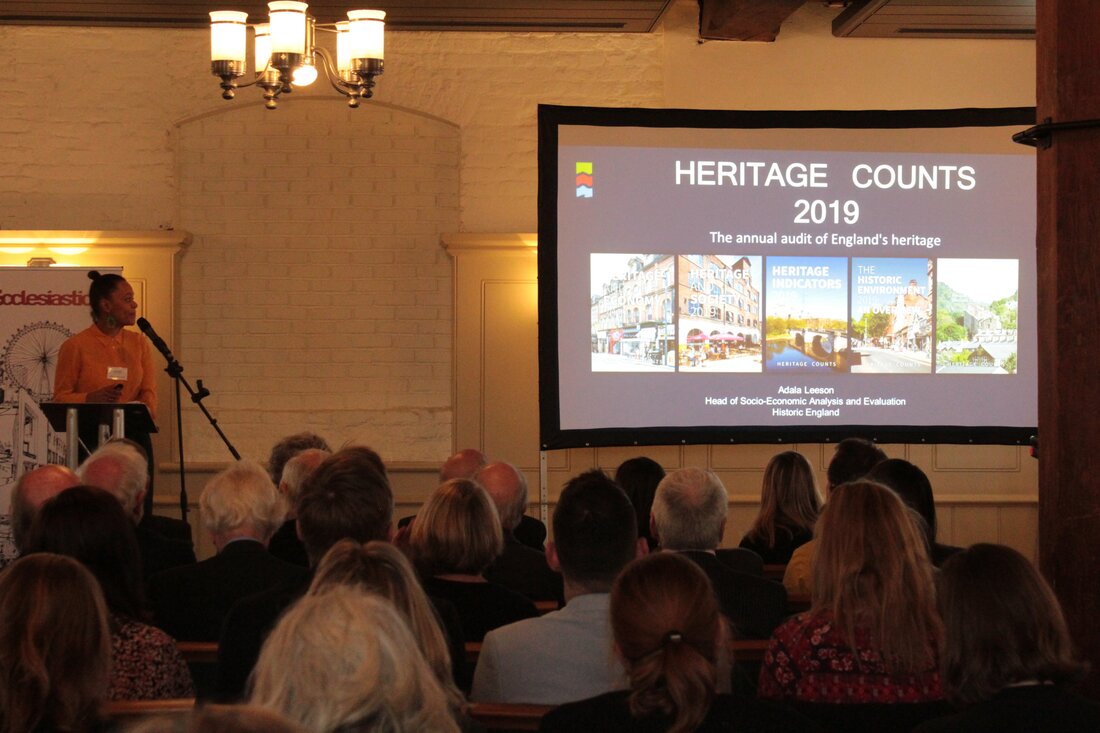
The launch of Heritage Counts 2019, a report series by Historic England which included our research took place in the Tower of London, in February 2020. Adala Leeson (pictured above), head of socio-economic analysis and evaluation at Historic England, presented our research as part of Heritage Day.
OTher RESeARCH PROJECTS
CLIMATE CHANGE IMPACTS ON BUILT AND ARCHAEOLOGICAL HERITAGE
As the President of the ICOMOS (International Council of Monuments & Sites) International Scientific Committee on Energy, Sustainability & Climate Change, Peter Cox, Managing Director of Carrig convened the ICOMOS Ireland Climate Change Sub-committee in the summer of 2008. As requested by the Department of Environment Heritage and Local Government, the Sub-committee issued the Monitoring Impacts of Climate Change on Built Heritage in January 2010 to provide recommendations for monitoring possible climate change impacts on World Heritage Brú na Bóinne and proposed World Heritage Clonmacnoise.
| icomos_monitoring_climate_change_impact_built_heritage.pdf |
VULNERABILITY ATLAS FOR BUILT HERITAGE IN WEXFORD
Peter and the ICOMOS Ireland Climate Change Sub-committee were also involved in the preparation of the report Vulnerability Atlas for Built Heritage in Wexford in 2010.
| vulnerability_built_heritage_climate_change_wexford.pdf |
If you would like further information or have a project that you would like to discuss, please contact the office to speak to one of our conservation consultants.